Touchless vs Step-On Bins: Odor Control in Small Baths
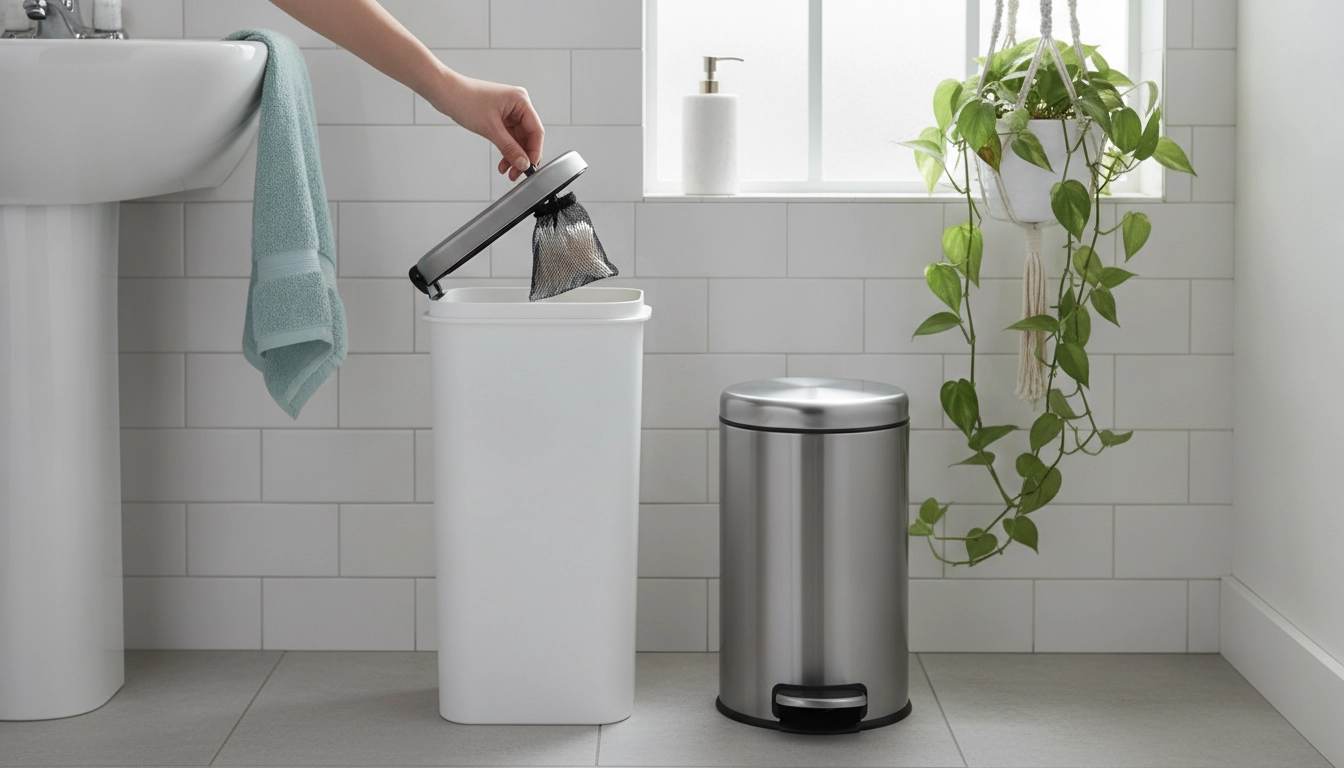
Do touchless trash cans reduce odors better than step-on bins in small bathrooms?
They can, but the biggest odor difference usually comes down to how well the lid seals and how often the can is opened. In a small bathroom, smells concentrate quickly, so a tight-closing lid matters more than the opening method alone.
Why touchless cans can help with bathroom odors
Touchless cans typically open only when a sensor detects motion, which can reduce the time the lid stays up compared with some step-on models that are easy to hold open while tossing multiple items. Less “open time” means fewer odor bursts into a tight space. Many touchless designs also use heavier lids or gasket-like rims that can slow odor leakage when closed.
When a step-on bin performs just as well (or better)
A good step-on bin with a snug lid and solid hinge can control odors extremely well, especially if the pedal action closes the lid quickly and completely. Some budget touchless cans have looser lids, thin plastic bodies, or sensor delays that keep the top open longer than expected, which can actually let more odor escape in a small bathroom.
What makes the biggest difference in a small bathroom
For odor control, prioritize: a tight-fitting lid (ideally with a rim that overlaps the body), a size that won’t sit half-empty for days, and liners that fit so the bag doesn’t prevent the lid from closing. For hygiene-related items, consider a small can that forces more frequent emptying, plus odor-absorbing options like baking soda or charcoal inserts if the can supports them.
For a deeper breakdown of lid seals, sensor behavior, and features that matter most in bathrooms, see the full guide here: https://daryne.com/do-touchless-trash-cans-reduce-odors-better-than-step-on-bins-in-bathrooms/.
FAQ
What’s the best way to keep a bathroom trash can from smelling?
Use a tight-lid can, empty it frequently, and choose correctly sized liners so the bag doesn’t prop the lid open. Adding a small deodorizer (like baking soda or a charcoal pod) and wiping the interior regularly also helps prevent lingering odor buildup.















Leave a comment