Stronger Together Model of Practice: How It Works
What is the stronger together model of practice?
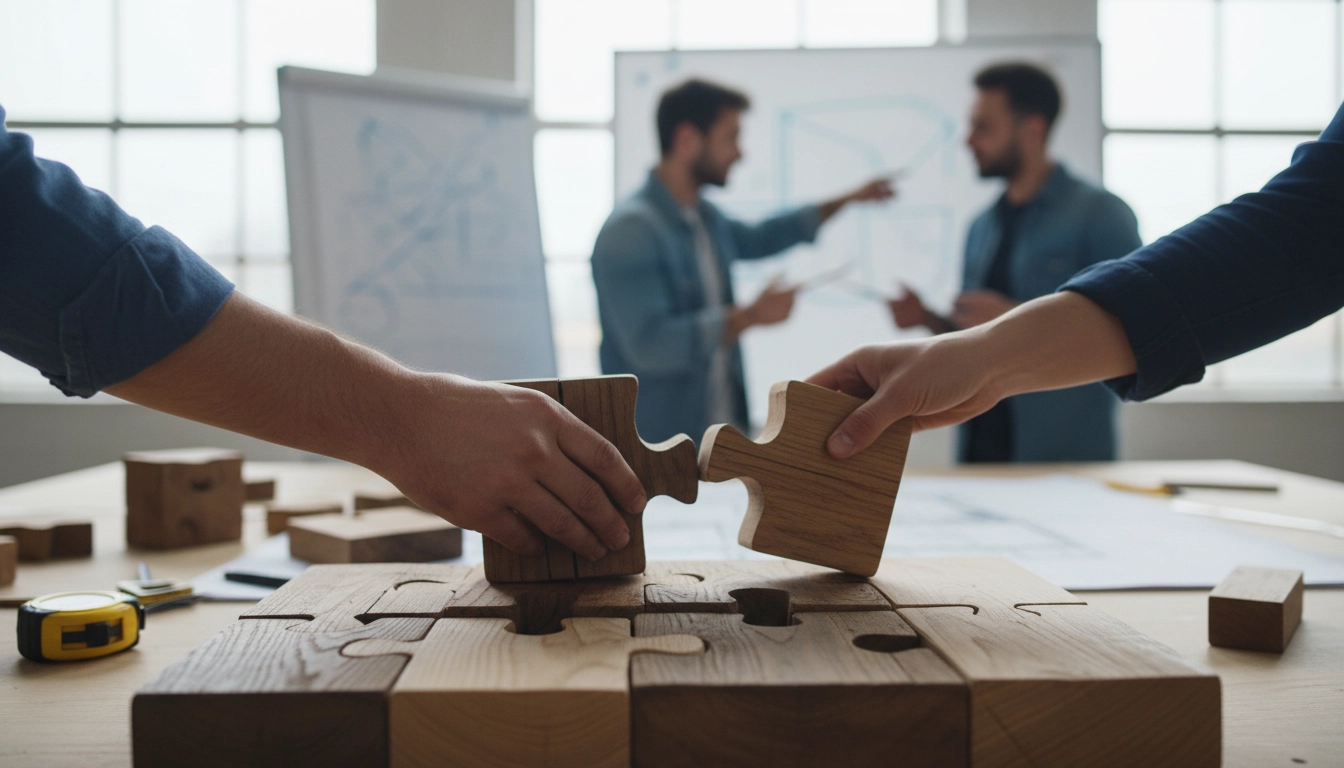
The stronger together model of practice is a collaborative care approach designed to improve outcomes by aligning professionals, organizations, and support systems around shared goals. Instead of working in silos, teams coordinate responsibilities, communication, and decision-making so services feel more connected and consistent for the people receiving care. The model emphasizes partnership, accountability, and practical structures that help everyone involved move in the same direction.
In everyday use, “stronger together” means building a culture where expertise is shared, barriers between roles are reduced, and progress is tracked through agreed-upon priorities. That often includes clearer pathways for referrals and follow-ups, regular touchpoints among team members, and a focus on the individual’s needs rather than the convenience of any single service.
How the model works in practice
While the specifics can vary by setting, the model typically relies on a few consistent building blocks: coordinated planning, shared standards, and continuous communication. Teams may use structured meetings, common documentation practices, or defined roles to ensure no essential step gets missed and everyone understands what “success” looks like.
A key benefit is continuity—people are less likely to repeat their story, receive conflicting guidance, or fall through gaps between providers. For teams, it reduces duplication of work and supports more confident, timely decisions.
Why it matters
When services are fragmented, outcomes can suffer even if each individual provider is skilled. The stronger together model of practice addresses that risk by prioritizing alignment: the right information reaching the right person at the right time, with clear next steps. The result is a more reliable experience, better follow-through, and support that feels cohesive rather than piecemeal.
For a deeper explanation and practical context, visit the full guide: https://daryne.com/what-is-the-stronger-together-model-of-practice/.
FAQ
How is the stronger together model different from traditional team-based care?
Traditional team-based care can still operate in separate lanes. The stronger together model pushes for tighter coordination, shared goals, and clearer workflows so the experience is integrated from start to finish.















Leave a comment