Plan a Perfect Day: Museum, Food, and Outdoor Breaks
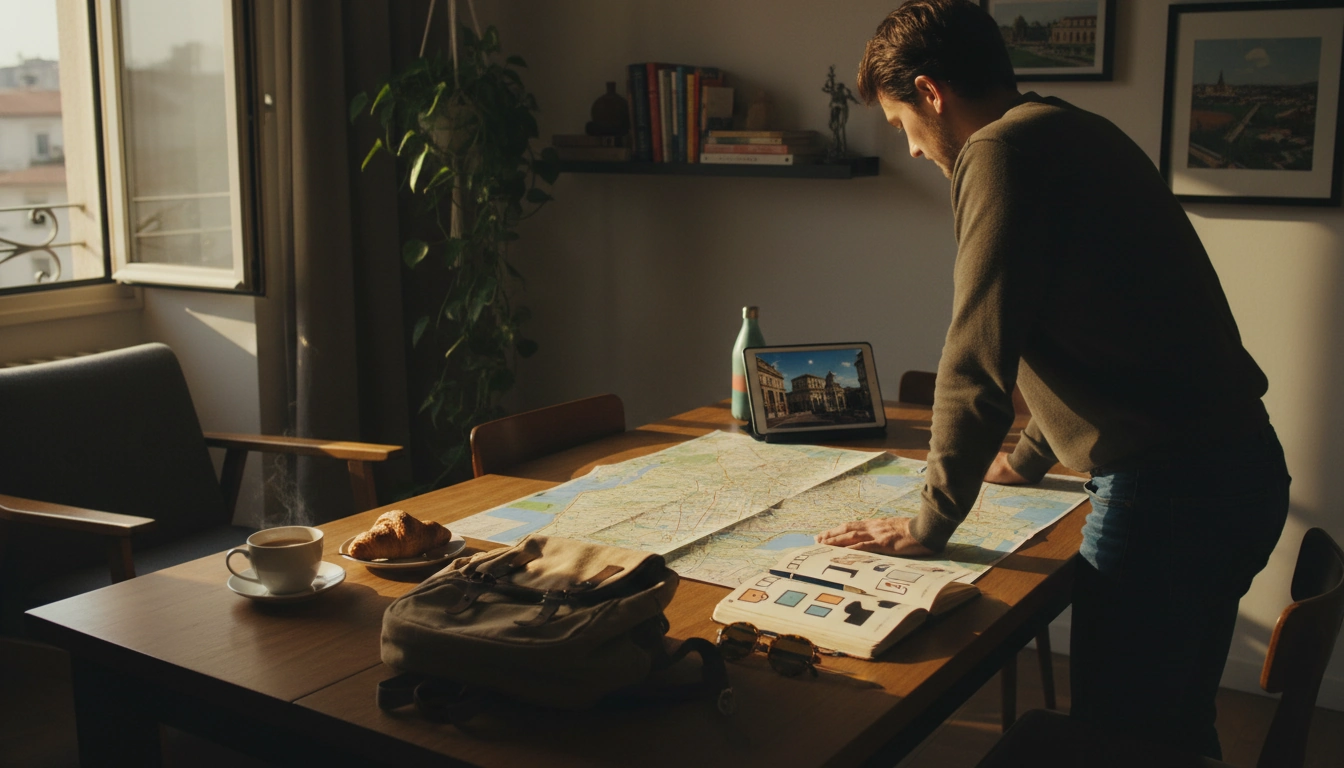
How do I build an itinerary that mixes museums, food stops, and outdoor time in one day?
A balanced day itinerary comes down to pacing: alternate “focus” activities (like galleries) with “reset” activities (like a park stroll) and “reward” moments (like a standout meal). Aim for three anchors—one museum block, one outdoor block, and two food stops—then build short buffers between them so the day stays enjoyable instead of rushed.
1) Start with one “must-see” museum block
Pick one museum (or one neighborhood with multiple small museums) and reserve a 2–3 hour window. If timed tickets are available, book an early slot to avoid crowds and set a firm end time. Before you arrive, choose 3–5 exhibits or rooms you care about most so you don’t burn energy trying to see everything.
2) Place food stops where energy naturally dips
Plan lunch immediately after the museum so you can decompress and refuel. Keep lunch within a 10–15 minute walk (or one short transit hop) to avoid losing momentum. Add a second, lighter food stop later—coffee and a pastry, a snack market, or an early dinner—so the day feels like a series of wins instead of one long grind.
3) Use outdoor time as a “palette cleanser”
Schedule 60–90 minutes outside between indoor activities. Parks, waterfront paths, botanical gardens, or an easy viewpoint work well because they’re flexible: you can stretch the time if you’re ahead, or shorten it if you’re running late.
4) Keep travel tight and build in buffers
Choose locations in the same area or along one transit line. Add 15 minutes of “slip time” after each major stop for lines, restrooms, or browsing a gift shop. If you’re traveling with others, agree on one non-negotiable activity per person—everything else is optional.
For a step-by-step planning checklist and sample day layouts, visit the full guide here.
FAQ
How many activities should I plan for a single day of sightseeing?
For most travelers, 3–5 planned items is the sweet spot: one major attraction, one outdoor block, and 1–2 meals plus a flexible “bonus” stop. Leaving open time prevents the day from feeling overbooked.










Leave a comment