Calm Toddler Nightmares Without New Sleep Habits
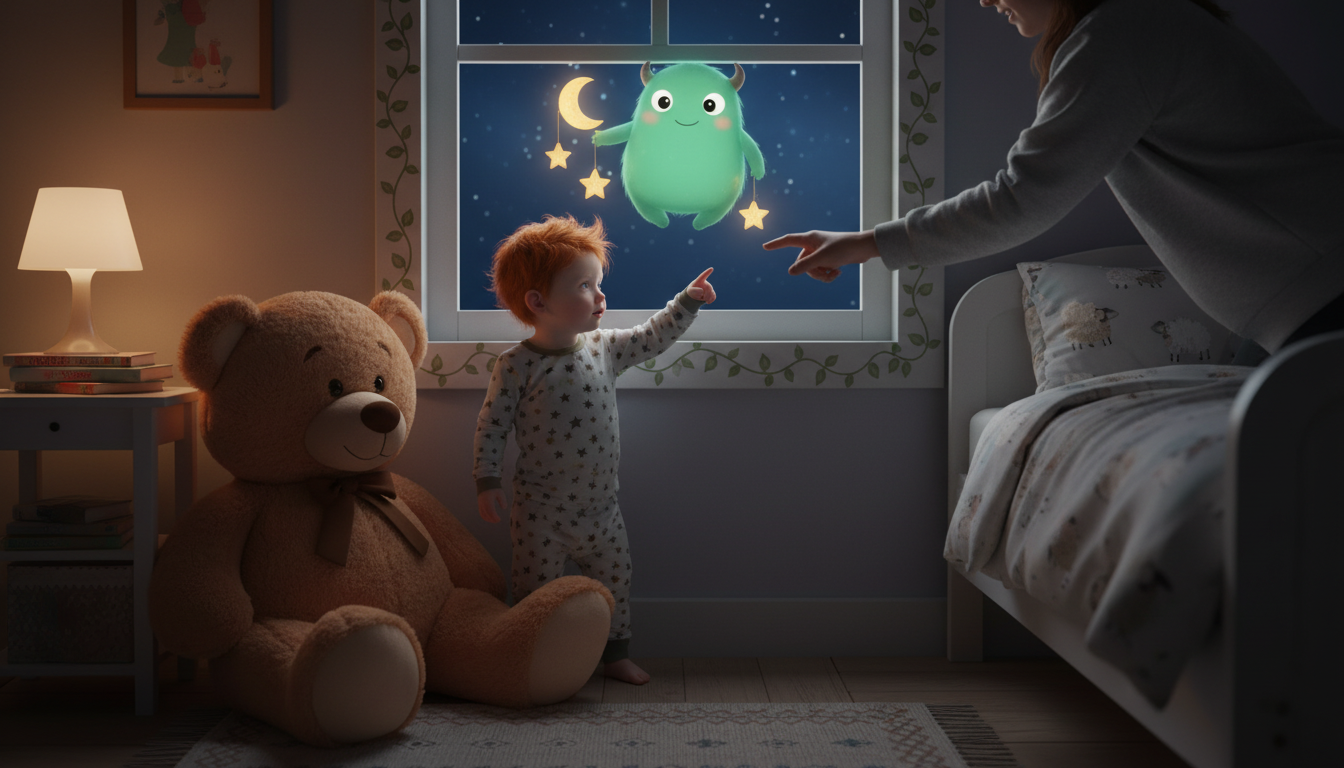
How can I calm my toddler after a nightmare without starting new sleep habits?
When your toddler wakes up scared, the goal is to help their body settle while keeping your usual sleep boundaries intact. Use a “comfort, then reset” approach: quick reassurance, a simple coping tool, and a calm return to bed without adding new routines you’ll have to repeat every night.
Start with steady, low-key reassurance
Go to your child, keep the lights dim, and use a quiet voice. Try a short, consistent script like, “You’re safe. That was a scary dream. I’m here.” Avoid turning on bright lights, offering snacks, or starting a long conversation—those can accidentally teach the brain that waking up leads to fun or extended attention.
Ground them in the present
Nightmares can leave toddlers disoriented. Offer one quick grounding cue: “Can you feel your blanket? Can you take two slow breaths with me?” A brief sip of water is fine if it’s already part of your normal routine, but keep it quick and boring.
Give comfort without creating a new “must-have”
If your toddler asks to sleep in your bed, respond with empathy and a boundary: “I know you want to be close. It’s sleep time, and you sleep in your bed.” Provide comfort in their room—hand on back for 30–60 seconds, a short hug, then back to their pillow. If you normally do check-ins, use the same pattern you use for bedtime.
Reset the sleep scene and exit confidently
Re-tuck the blanket, return a lovey, and keep the room conditions the same as bedtime. End with a consistent closing line (“Good night. I’ll check on you soon.”) and leave. If they call out again, repeat a shortened version with minimal variation so it doesn’t become a new nighttime routine.
For a simple step-by-step comfort plan (including what to do if nightmares become frequent), see the full guide here: https://daryne.com/guide-toddler-nightmares-comfort-plan-bedtime-fixes/.
FAQ
What’s the difference between nightmares and night terrors?
Nightmares usually happen in the later part of the night, and your child wakes up upset and can be comforted. Night terrors often happen earlier, and the child may look awake but is confused, hard to console, and may not remember it in the morning.














Leave a comment