Amazon Refurbished Premium vs Excellent: Which Is Better?
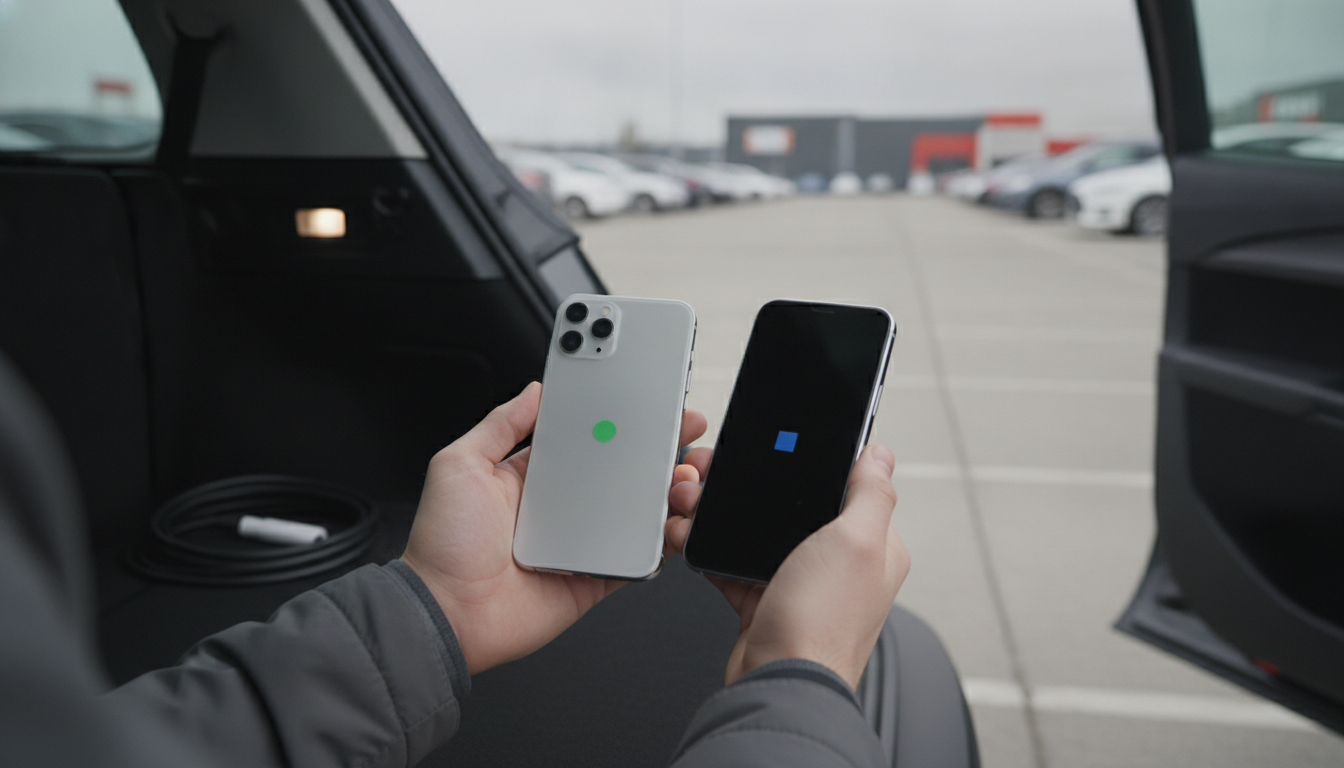
Is Amazon refurbished premium better than excellent?
Usually, yes—“Amazon Refurbished Premium” is positioned above “Excellent” and is meant to signal a stricter refurbishing and testing standard. In practical terms, Premium items tend to have fewer signs of prior use and are more likely to arrive with accessories, documentation, and packaging that feel closer to a new-product experience. “Excellent” can still be a smart buy, but it’s more likely to show minor cosmetic wear or arrive in less pristine packaging.
What the grades generally mean
Amazon refurbished condition labels vary by category and seller, but the pattern is consistent: Premium aims for “like new” aesthetics, while Excellent allows minimal wear that doesn’t affect function. Both should be fully functional, but Premium is the safer bet if appearance matters (gifts, visible electronics, items used daily) or if you’re trying to minimize the chance of missing parts.
When “Excellent” can be the better value
If the price gap is meaningful, “Excellent” often delivers the best cost-to-condition tradeoff. Many Excellent items look nearly new in real life, especially for products where tiny scuffs are hard to notice (routers, smart home hubs, some kitchen appliances). The key is to confirm what’s included, the return window, and warranty coverage.
How to choose with fewer surprises
Before buying, check the listing for included accessories, battery health notes (when relevant), and who completed the refurbishing. Then confirm the return policy and warranty terms so you’re covered if the condition doesn’t match expectations. For a detailed checklist you can use before checkout, see this Amazon refurbished buying guide.
For Amazon Refurbished Premium vs Excellent: Which Is Better?, the best answer depends on fit, material, care instructions, and how the product will be used day to day.
FAQ
What should I check before buying Amazon Renewed?
Verify what’s included (chargers, cables, manuals), confirm the refurbisher or seller reputation, and double-check the warranty and return window. Also read the condition notes closely for cosmetic wear and battery-related disclosures.
















Leave a comment