Toddler Nightmares vs Night Terrors: How to Tell
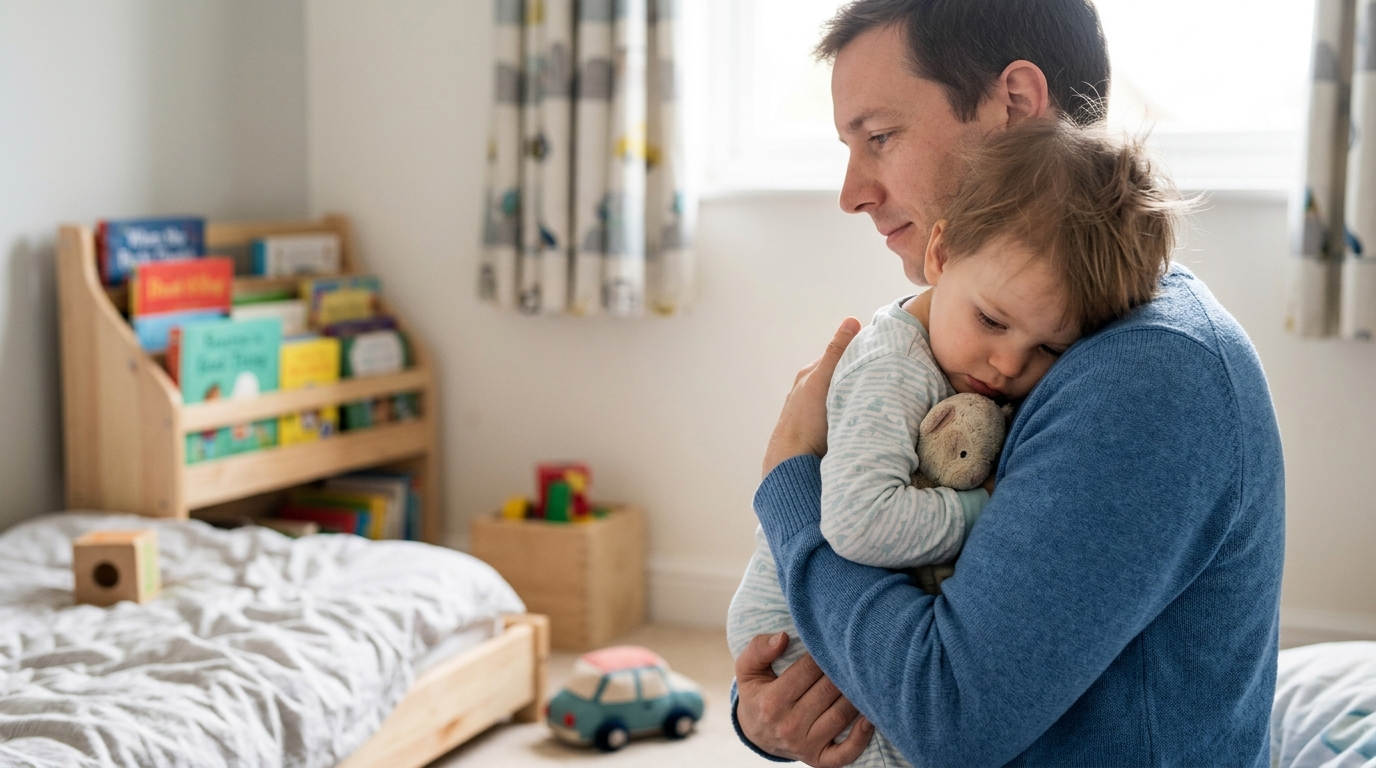
How can I tell the difference between a toddler nightmare and a night terror?
Toddler nightmares and night terrors can both look scary, but they’re usually very different once you know what to watch for: timing, your child’s awareness, and how easy they are to comfort.
When it happens during the night
Nightmares tend to show up in the second half of the night (closer to morning) when dreaming is more vivid. Night terrors usually happen in the first few hours after bedtime, during deep non-dream sleep.
How your toddler acts in the moment
With a nightmare, many toddlers wake up fully and may call for you, cry, or describe something “scary.” With a night terror, a child may sit up, scream, thrash, sweat, or look panicked—but their eyes can be open while they’re not truly awake.
Whether your child recognizes you and can be comforted
After a nightmare, most kids will respond to your voice, accept a hug, and calm down with reassurance. During a night terror, your toddler may seem confused, push you away, or not recognize you, and attempts to wake them often make it worse. The safest approach is usually to stay nearby, keep them from getting hurt, and wait for it to pass.
What they remember the next day
Nightmares are often remembered (at least as “a bad dream”), especially if you ask in the morning. Night terrors typically leave no memory—your toddler may act completely normal the next day.
What to do next
If episodes are frequent, lead to dangerous movement (climbing out of bed, running), or your child snores heavily or gasps at night, consider discussing it with your pediatrician. For practical steps to reduce scary nights and build a calmer bedtime routine, see this guide to toddler nightmares and comfort strategies.
FAQ
What should I do right after my toddler wakes from a nightmare?
Keep the lights low, offer a quick cuddle and simple reassurance, and help them settle back into bed without starting playtime. A short, predictable routine (sip of water, brief check of the room, back to bed) helps them feel safe without reinforcing wake-ups.














Leave a comment