Plan a Multi-City Trip: Route, Nights, Transport
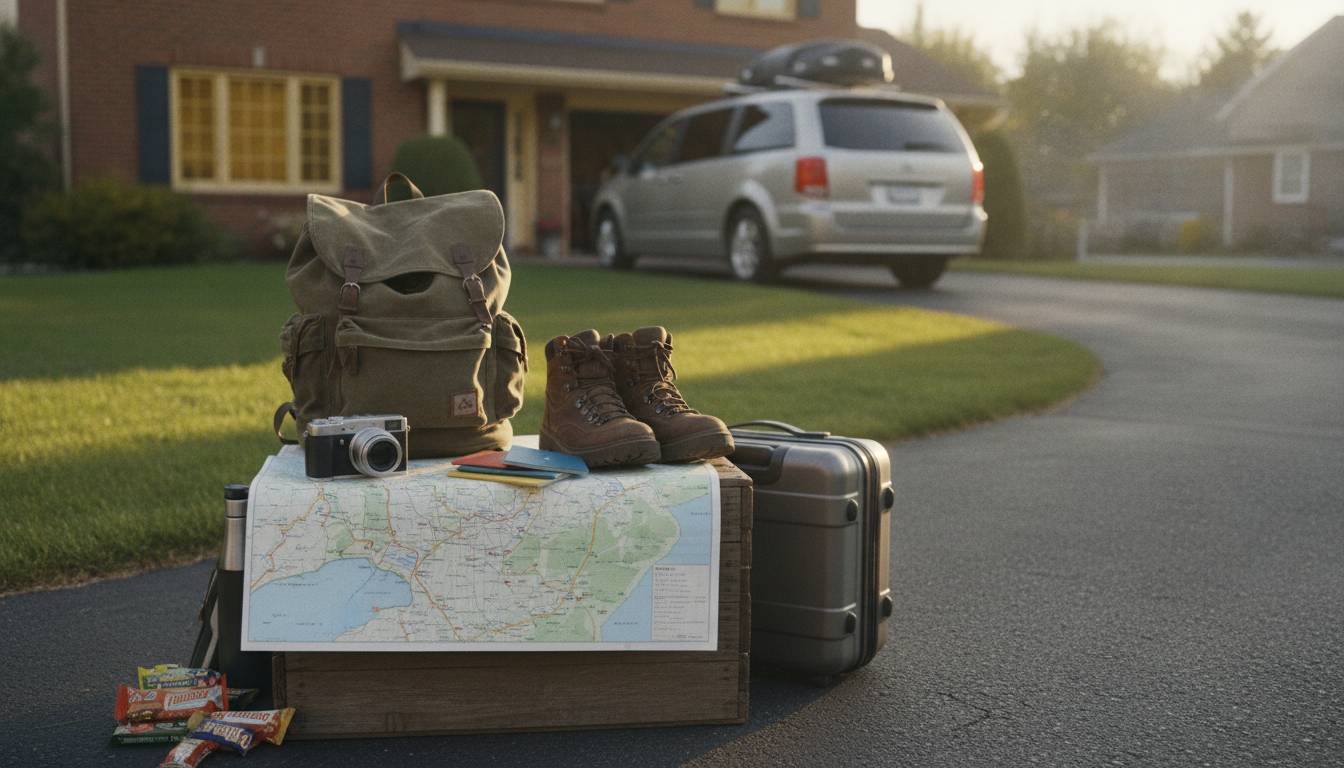
How to build a multi-city trip?
A multi-city trip is easiest to plan when you lock in the order of stops first, then build everything else around that route. Start by picking a realistic number of cities for your timeline, then choose the direction that minimizes backtracking (for example, moving north-to-south or point-to-point). Once the sequence is set, you can compare transportation options between each leg and see where you’ll save time or money.
Answer
Begin with a simple framework: cities, nights, and how you’ll get between each stop. List your must-do experiences for each destination, then allocate nights based on how much you want to do and how long it takes to arrive and depart. A common rule of thumb is to avoid one-night stays unless a city is truly a quick stop; two to four nights per major city typically feels less rushed.
Next, map the transportation for every segment. Compare flights, trains, buses, and driving—not just by price, but by total door-to-door time and schedule frequency. Sometimes a slightly pricier train saves half a day and reduces hassle. If you’re flying, consider open-jaw or multi-city tickets and check baggage policies and connection times carefully.
Then, book in the order that reduces risk: long-haul flights or limited-route transport first, followed by accommodations, then activities that sell out. Keep lodging close to the areas you’ll spend the most time, especially in cities where commuting can eat your day. Build in buffer time for transfers, delays, and rest, and leave at least one flexible block per city for wandering or last-minute finds.
For a step-by-step walkthrough with practical examples, read the full guide here: https://daryne.com/how-to-build-a-multi-city-trip/.
FAQ
How far in advance should you book a multi-city trip?
For peak seasons or limited routes, booking 3–6 months ahead helps secure better schedules and lodging options. For shoulder seasons, 6–10 weeks can work well, especially if your dates are flexible.
















Leave a comment