Smart Dustbins: Do They Really Reduce Waste?
Do smart dustbins reduce waste?
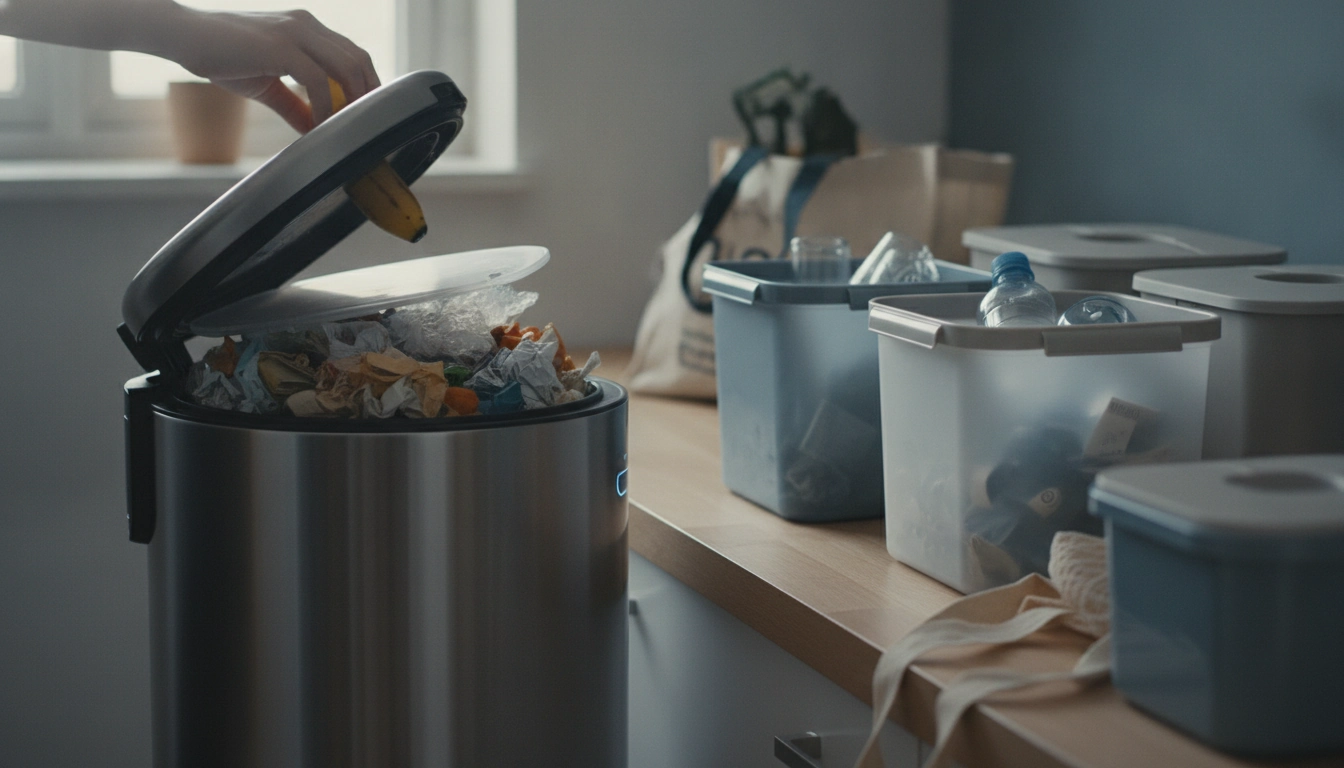
Smart dustbins can reduce waste, but they’re not a magic fix on their own. The biggest improvements usually come from two areas: better sorting (so more materials are recycled or composted correctly) and fewer “avoidable” liners and overflow cleanups that lead to throwing everything away. When a bin makes disposal easier and clearer, people tend to make fewer mistakes—especially in shared spaces like offices, apartment buildings, and busy kitchens.
Many smart models use features like compartment guidance, fill-level sensors, and app notifications to prevent bins from overflowing. Overflow is a common reason people default to the fastest option—dumping mixed trash into one bag—which increases landfill waste. A bin that signals when it’s nearly full helps keep waste streams separated and keeps recyclables from getting contaminated.
How do smart dustbins reduce waste in daily use?
The practical impact comes down to behavior and consistency. Smart lids reduce touch points and make it easier to dispose of items quickly, which can increase compliance with sorting rules. Some smart bins also track how often they’re used or how full they get, helping households or facilities right-size pickups and reduce unnecessary bag changes.
Another overlooked benefit is fewer single-use liners. Certain smart compacting bins or fitted-liner systems can stretch the time between bag replacements, which reduces plastic bag consumption over time. And when bins stay cleaner (through sealed lids and deodorizing systems), people are less likely to “double-bag” out of odor concerns.
For a deeper breakdown of what smart bins can and can’t do, read the full guide here: https://daryne.com/do-smart-dustbins-reduce-waste/.
When smart dustbins won’t make a big difference
If a home or workplace doesn’t have access to recycling or composting services, a smart bin can’t redirect waste to better streams. Results are also limited when people ignore labeling, mix wet food with recyclables, or treat the bin as the only sustainability step instead of reducing consumption upstream.
FAQ
Are smart dustbins worth it for recycling?
They can be worth it if they improve sorting consistency and reduce contamination, especially in multi-person households or shared spaces. The value is highest when paired with clear recycling rules and local recycling pickup.















Leave a comment