Calm Down Fast After a Nightmare: 5 Simple Steps

How can I calm down after a nightmare?
Waking up from a nightmare can leave your body stuck in “alarm mode,” even after you realize you’re safe. The fastest way to calm down is to help your nervous system switch from fight-or-flight to rest-and-recover with a few simple, repeatable steps.
1) Reorient to the present
Turn on a dim light, sit up, and name a few real things around you (your pillow, the wall color, the sound of a fan). Remind yourself out loud: “That was a dream. I’m safe right now.” This quick reality check helps your brain separate the dream from the moment.
2) Slow your breathing on purpose
Try a steady pattern like inhale for 4, exhale for 6, repeating for 1–2 minutes. Longer exhales cue your body to downshift. If counting feels hard, simply breathe out a little slower than you breathe in.
3) Release the adrenaline
Nightmares can leave you shaky or wired. Do a brief reset: press your feet into the floor, roll your shoulders, stretch your hands, or tense and relax each muscle group from head to toe. This signals “the danger is over.”
4) Add comfort without “replaying” the dream
Take a sip of water, hold a pillow, or use a grounding scent like lotion. If you want to journal, keep it short: write one line about what you need right now (comfort, sleep, reassurance) instead of rehashing scary details.
5) Decide whether to go back to sleep
If you feel calmer within 10–15 minutes, return to bed with a soothing routine (soft music, a familiar phrase, or a calm visualization). If you’re still activated, step into another room briefly and do something low-stimulation until you feel sleepy again.
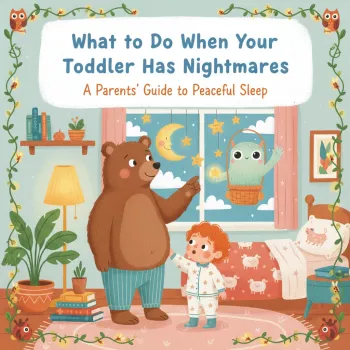
If nightmares are happening often—especially for kids—having a consistent comfort plan and bedtime adjustments can make a big difference. See the detailed guide here: https://daryne.com/guide-toddler-nightmares-comfort-plan-bedtime-fixes/.
FAQ
Why do nightmares happen more during stress?
Stress can increase nighttime arousal and make the brain more likely to process intense emotions during sleep. That can lead to vivid, threat-themed dreams and more frequent wake-ups.














Leave a comment