Toddler Nightmares: How They Disrupt Sleep & What Helps
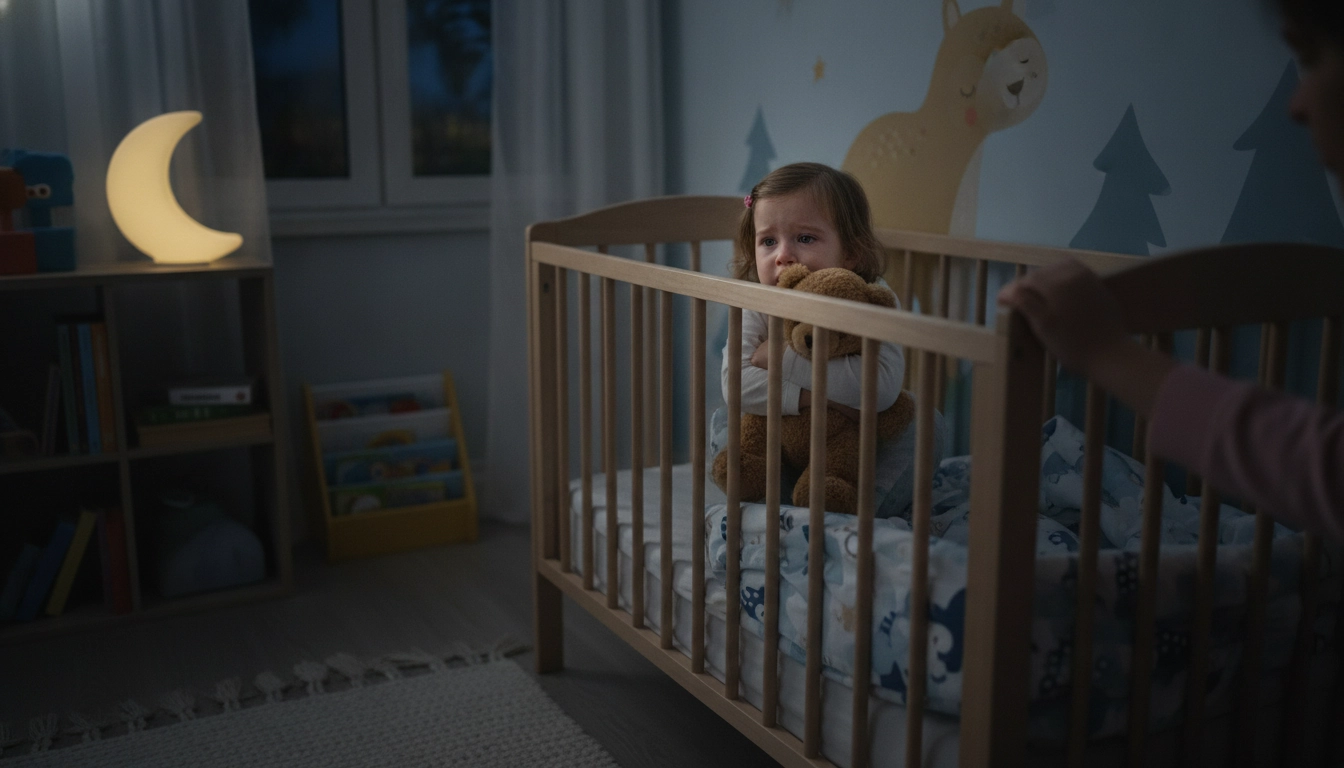
Can nightmares affect a toddler’s sleep?
Yes. Nightmares can disrupt a toddler’s sleep by causing sudden wake-ups, difficulty settling back down, and bedtime resistance the next night. Even when a nightmare is brief, the fear can linger, making it harder for your child to relax enough to fall asleep or stay asleep.
How nightmares show up in sleep patterns
Nightmares usually happen during the second half of the night, when dreaming is more common. A toddler may wake crying, call for you, or want to sleep in your bed. After a scary dream, some kids become more alert than sleepy, which can turn into a long middle-of-the-night wake window.
Why a toddler might sleep worse after a nightmare
A nightmare can create a “fear loop”: your toddler remembers the scary feeling, anticipates it happening again, and then gets anxious at bedtime. That anxiety can lead to more stalling, more night wakings, and lighter sleep. Big changes (starting daycare, travel, potty training), overtiredness, and overstimulating screen content close to bedtime can also make bad dreams more likely.
What to do after a nightmare
Comfort first, then keep it calm. Go to your toddler, offer a quick cuddle, and use simple reassurance (“You’re safe. I’m here.”). Avoid long conversations or turning on bright lights, which can fully wake them up. If they want to talk, validate the feeling without feeding the storyline, then guide them back to their sleep routine.
How to reduce nightmares over time
Consistent bedtime habits help toddlers feel secure. Try a predictable wind-down (bath, pajamas, story, lights out), a dim nightlight if it helps, and a brief check-in if they call out. If nightmares become frequent, focus on daytime emotional processing (talk about worries, practice calming breaths) and keep scary media out of the evening.
For a step-by-step comfort plan and practical bedtime fixes, visit this guide on toddler nightmares.
FAQ
What’s the difference between nightmares and night terrors in toddlers?
Nightmares fully wake a child and they may remember the dream. Night terrors happen in deep sleep; kids can look awake but are usually inconsolable and don’t remember it in the morning.














Leave a comment